
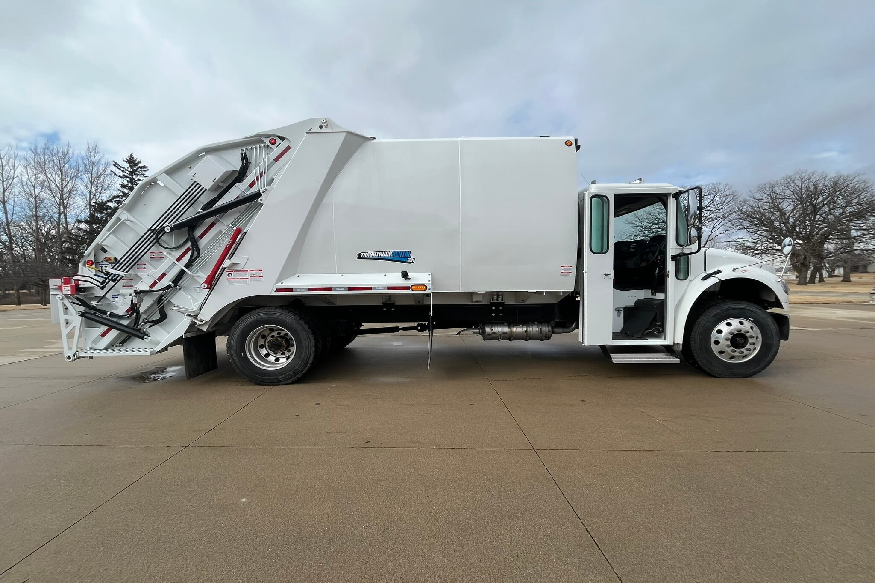

Buying a rear loader garbage truck is a major investment for municipalities, waste management companies, and private contractors. Understanding the price and ongoing costs helps planners make smart decisions that balance budget limits with performance needs. This guide explains the typical costs involved in purchasing and operating a rear loader truck.
Initial Purchase Price
The first cost most buyers consider is the purchase price. Rear loader trucks vary widely in price depending on features, size, engine type, and optional equipment. A basic rear loader with standard diesel engine and essential safety features is generally less expensive than advanced models with larger capacity or alternative fuel systems.
Read More :How Pledge and Lien Features in DEMAT Apps Support Margin Trading
Several factors influence the initial cost:
- Body size and capacity — Larger storage bodies cost more because they require more materials and stronger components.
- Hydraulic system strength — Trucks with stronger compaction force usually have higher prices.
- Engine type — Diesel engines are common and often less expensive upfront than CNG (compressed natural gas) or hybrid options.
- Safety and technology features — Rear‑view cameras, telematics systems, and advanced control panels add to the price.
Because of these variables, two rear loader trucks that look similar might have significantly different purchase prices.
Cost Factors Based on Specifications
Understanding how specific features affect cost helps buyers choose wisely. Here are common specifications and how they impact price:
- Storage Capacity: A truck with 20–30 cubic yards of capacity will cost more than a smaller 15–18 cubic yard model.
- Compaction Power: Higher compaction ratios and stronger hydraulic components usually increase price but improve performance.
- Fuel System: Alternative fuel trucks (CNG or hybrid) often cost more initially but may reduce operating costs over time.
- Safety & Telematics: Add‑on systems like camera packages, GPS, and fleet management tools add to the upfront cost but can improve efficiency.
Delivery and Setup Costs
After purchasing a rear loader truck, buyers often pay additional costs before the truck enters service:
- Delivery and shipping fees — Transporting a large truck from the factory to your location can add significant cost.
- Body installation — Some buyers order the chassis and body separately; installing the garbage body may involve extra labor charges.
- Licensing and registration — Municipal or commercial licensing fees vary based on location and regulations.
These setup costs can add several thousand dollars to the overall investment.
Operating Costs: Fuel and Drivers
Once the truck is in service, regular expenses begin. One of the biggest ongoing costs is fuel:
- Diesel Fuel Costs: Traditional diesel fuel prices vary by region and can significantly impact monthly budgets.
- Alternative Fuel Benefits: Trucks running on CNG or hybrid systems may cost more upfront but often have lower fuel costs over time, especially in fleets with high mileage.
Driver wages and training are also part of operating costs. Proper training helps drivers operate the truck safely and efficiently, which can reduce fuel use and maintenance expenses.
Maintenance and Repair Costs
Maintenance is a major ongoing cost for any large vehicle. Rear loader trucks have several systems that require regular checks:
- Hydraulic System Servicing: Hydraulic fluid, filters, and seals must be checked and replaced regularly to keep the compaction system working well.
- Chassis and Engine Maintenance: Routine oil changes, brake checks, and suspension inspections are needed to ensure safety and longevity.
- Unexpected Repairs: Even well‑maintained trucks have occasional breakdowns. Budgeting for unplanned repairs helps prevent service interruptions.
Trucks with simpler designs often have lower maintenance costs, while models with advanced electronics and automation may require specialized service.
Depreciation and Resale Value
Like all vehicles, rear loader trucks lose value over time through depreciation. However, well‑built trucks from reputable manufacturers tend to hold value better. When planning your budget, consider:
- Expected Lifespan: Rear loader trucks with strong construction and good maintenance records can last many years.
- Resale Market: A truck with high demand in the resale market often retains more value.
Factoring depreciation into the cost helps organizations plan for eventual replacement.
Insurance and Regulatory Costs
Insurance is another necessary expense. Cost depends on:
- Truck value
- Driver experience
- Local insurance rates
Commercial vehicle insurance can be a notable part of the annual budget. Additionally, some regions require periodic safety inspections or emissions testing, which may involve fees.
Total Cost of Ownership
To make a smart purchase, many fleet managers calculate the Total Cost of Ownership (TCO) rather than focusing only on purchase price. TCO includes:
Read More : What Makes CFD Trading Popular Among Active Traders
- Initial purchase price
- Delivery and setup
- Fuel and driver wages
- Maintenance and repairs
- Insurance and regulatory fees
- Depreciation
Looking at all these costs together helps decision‑makers choose a truck that delivers the best long‑term value, not just the lowest upfront price.
Budgeting Tips
Here are a few tips for budgeting effectively:
- Compare multiple quotes from different dealers.
- Ask about service contracts and extended warranties.
- Evaluate fuel options based on local fuel availability and prices.
- Plan for maintenance by scheduling regular service checks.
Final Thoughts
Rear loader garbage trucks are durable, versatile machines crucial for efficient waste management. While the initial price is important, understanding all cost components — from fuel and maintenance to insurance and depreciation — provides a complete financial picture. By considering both short‑term and long‑term costs, buyers can choose a truck that meets performance needs and fits the budget.