
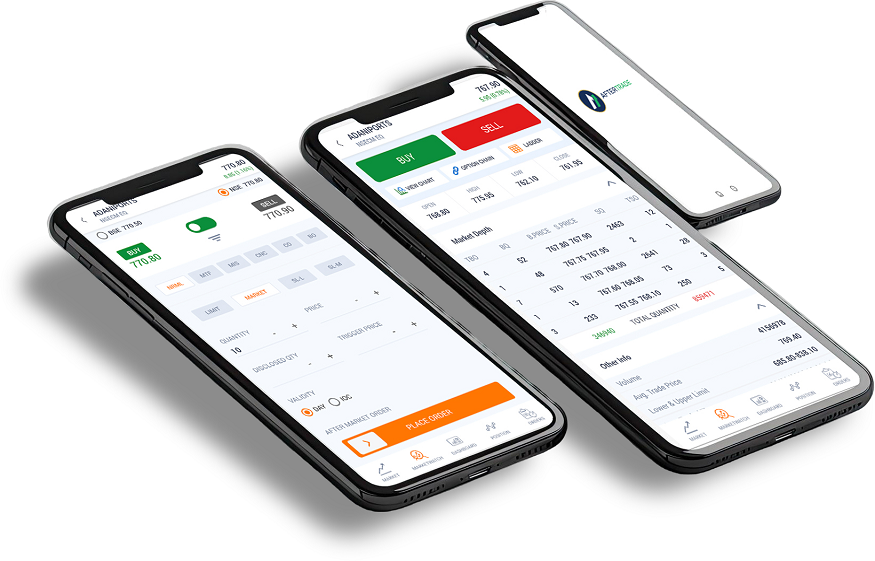

The landscape of the stock market has transformed significantly over the last few decades. What used to involve physical certificates and manual paperwork is now handled entirely through digital interfaces. Modern investors rely heavily on technology to manage their portfolios and execute trades in real time.
One of the most significant advancements in this space is the integration of sophisticated financial features within mobile applications. These tools allow users to maximize their existing holdings without needing to liquidate them. By understanding how specific mechanisms work, traders can unlock new levels of capital efficiency.
The Evolution of Digital Asset Management
The shift toward digital record keeping began with the introduction of the DEMAT system. This system allows investors to hold their shares and securities in an electronic format. It eliminates the risks associated with physical certificates, such as loss, theft, or damage. Today, the primary way people interact with these accounts is through DEMAT apps. These applications serve as a comprehensive dashboard where users can view their holdings, track market movements, and execute various financial strategies.
As these platforms have evolved, they have moved beyond simple buying and selling. They now offer complex features that were once only available to institutional investors. Among these features, the ability to pledge assets and create liens has become a cornerstone for active traders. These functionalities are designed to provide liquidity in a market where timing is everything. By using these tools, an investor can turn a stagnant portfolio into a dynamic source of trading capital.
Understanding the Pledge Mechanism
Pledging is a process where an investor uses their existing shares as collateral to obtain a loan or a trading limit. In the context of modern trading, this is often referred to as creating a collateral margin. When you pledge your shares through DEMAT apps, you are essentially telling the broker that they can hold these assets as security. In return, the broker provides you with additional funds or limits to take new positions in the market.
Read More: Why Is Saving Early More Powerful Than Saving More Later?
The beauty of this system is that the investor retains ownership of the shares. You still receive any dividends, bonuses, or rights issues associated with the pledged stocks. The assets remain in your account, but they are marked as pledged. This means you cannot sell them until you unpledge them or replace them with other forms of collateral. This feature is particularly useful for long term investors who do not want to exit their positions but need cash for short term opportunities.
The Role of Lien in Security Management
A lien is a legal claim or a right over an asset that is used as a guarantee for a debt or obligation. While pledging is the action taken by the investor, the lien is the mechanism that secures the interest of the broker or the clearing corporation. When a lien is marked on your securities within DEMAT apps, it ensures that the assets cannot be moved or sold without fulfilling the underlying obligation.
This system creates a layer of trust between the trader and the financial institution. The broker knows that if the trader incurs losses that they cannot cover, the pledged assets are available to settle the debt. For the trader, the lien process is usually automated and transparent. You can see exactly which shares are under a lien and how much margin they are providing. This clarity is vital for managing a complex trading strategy where multiple positions are open at once.
How These Features Fuel Margin Trading
Margin trading is the practice of buying more securities than you can afford with your available cash. It is a form of leverage that can amplify both gains and losses. To engage in margin trading, you need to provide a certain amount of initial capital. This is where pledge and lien features become essential. Instead of depositing fresh cash, you can use the value of your existing portfolio to meet the margin requirements.
When you pledge shares, the broker applies what is known as a haircut. This is a percentage reduction in the value of the shares to account for market volatility. If you pledge shares worth one thousand dollars and the haircut is twenty percent, you receive eight hundred dollars in trading margin. This margin can then be used to take larger positions in the equity or derivatives segments. Without these features, traders would be forced to sell their long term investments to fund short term trades, which could lead to unnecessary tax liabilities and loss of potential growth.
The Strategic Advantage of Using DEMAT Apps
The integration of these features into DEMAT apps has democratized access to leverage. In the past, setting up a pledge or a lien required physical forms and several days of processing. Now, it can often be done with a few taps on a smartphone screen. This speed allows traders to react to market news almost instantly. If a sudden opportunity arises, a trader can pledge their holdings and receive the margin required to execute a trade within the same market session.
Read More: How to Calculate Interest on Your Savings Account
Furthermore, these apps provide real time tracking of margin utilization. You can see how much of your collateral is being used and how much is still available. This level of transparency helps in preventing over-leveraging. Most apps also offer an easy way to unpledge shares once the trading obligation is met. This seamless flow of capital makes the modern trading environment much more fluid and efficient than it was in the era of paper based trading.
Managing Risks in a Leveraged Environment
While pledge and lien features offer great utility, they also come with inherent risks. The most significant risk is market volatility. Since the value of your collateral is tied to the market price of the pledged shares, a sharp decline in the market can reduce your available margin. If the value falls below a certain threshold, the broker may issue a margin call. This requires the trader to either deposit more cash or pledge more shares to cover the shortfall.
If the trader fails to meet the margin call, the broker has the legal right to sell the pledged shares to recover the funds. This is why it is crucial to use these features with a clear risk management strategy. Successful traders often keep a buffer and do not use the maximum margin available to them. They also choose to pledge high quality, less volatile stocks to ensure that their collateral value remains relatively stable even during market fluctuations.
Conclusion
The introduction of pledge and lien features within DEMAT apps has fundamentally changed how retail investors approach the stock market. By allowing users to leverage their existing holdings, these tools provide the liquidity necessary for sophisticated margin trading. They bridge the gap between long term investing and short term speculation, allowing for a more holistic approach to wealth management.
As technology continues to advance, we can expect these features to become even more integrated and user friendly. However, the core principle remains the same. These tools are designed to provide flexibility and capital efficiency. When used wisely, they can be a powerful asset in a trader’s toolkit, helping them navigate the complexities of the financial markets with greater confidence and control.