
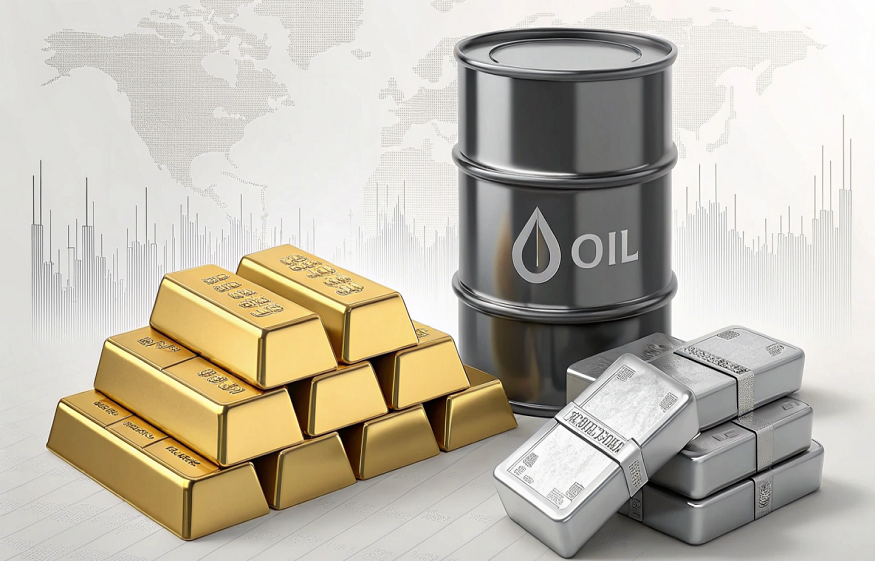

Real assets have long been recognised as an important part of diversified investment strategies, and their appeal has only grown as markets become more interconnected. In periods of economic uncertainty, inflationary pressure, and shifting monetary policies, investors often seek investments that have tangible value and the potential to preserve purchasing power. From natural resources to infrastructure and real estate, real assets provide exposure to sectors that are closely tied to everyday economic activity.
While financial markets continue to evolve with new technologies and investment products, the demand for assets backed by physical value remains remarkably resilient. Individual investors, institutional funds, and wealth managers increasingly view real assets as a way to strengthen portfolios, reduce volatility, and participate in long-term global growth. Understanding why these investments continue to attract attention helps investors make more informed decisions in an ever-changing financial landscape.
The Enduring Value of Tangible Investments
Unlike purely financial securities, real assets represent physical resources or properties with intrinsic value. These include commercial real estate, farmland, timber, energy resources, precious metals, transportation infrastructure, and agricultural commodities. Because they serve essential economic functions, they often retain value even when financial markets experience significant fluctuations.
Financial professionals frequently emphasise diversification as one of the most effective ways to manage investment risk. Organisations such as major central banks, international financial institutions, and investment research firms consistently recognise diversification across different asset classes as an important principle of long-term investing. Real assets contribute to this approach because their performance often differs from that of traditional stocks and bonds under varying economic conditions.
Another advantage is their connection to fundamental supply and demand. Population growth, urbanisation, industrial development, and technological innovation all create ongoing demand for physical resources. Even as economies modernise, they continue to depend on energy production, transportation systems, construction materials, and agricultural output, providing lasting relevance for many categories of real assets.
Inflation Protection and Portfolio Stability
One of the primary reasons investors allocate capital to real assets is their potential to protect during inflationary periods. Rising prices can reduce the purchasing power of cash and negatively affect fixed-income investments. In contrast, many tangible assets have historically demonstrated the ability to maintain or increase value as production costs and consumer prices rise.
Commodities provide a useful example of this relationship. Energy products, industrial metals, and agricultural goods often experience price movements that reflect broader economic conditions. Investors seeking a deeper understanding of commodity market basics can better appreciate how global supply chains, weather conditions, geopolitical developments, and industrial demand influence pricing across these markets.
Real assets also introduce a different pattern of returns compared to traditional securities. Since they respond to unique economic drivers, they may reduce overall portfolio volatility when combined thoughtfully with equities and fixed-income investments. While no investment eliminates risk, combining multiple asset classes can help investors navigate changing market environments more effectively.
Global Trends Supporting Continued Demand
Rapid urban expansion continues to create substantial demand for infrastructure, transportation, utilities, and housing across many regions. Governments and private investors alike invest heavily in roads, renewable energy facilities, logistics networks, and communication systems to support growing populations and expanding economies.
The transition toward cleaner energy has introduced new opportunities within the real asset sector. Renewable power generation, battery materials, critical minerals, and modern energy infrastructure have become increasingly important as countries pursue sustainability goals. This transformation demonstrates that real assets evolve alongside technological progress rather than remaining confined to traditional industries.
Global supply chains have also highlighted the strategic importance of natural resources. Recent disruptions reminded businesses and governments that reliable access to raw materials remains essential for manufacturing, food production, healthcare, and technology. Investors increasingly recognise that ownership of assets connected to these supply chains can provide long-term strategic value alongside potential financial returns.
Balancing Opportunity with Risk
Although real assets offer compelling advantages, they should never be viewed as risk-free investments. Commodity prices can fluctuate significantly due to weather events, political instability, regulatory changes, and shifts in consumer demand. Real estate values may be influenced by interest rates, demographic changes, and local economic conditions.
Liquidity is another consideration. Some real assets, particularly direct property ownership or infrastructure investments, may require longer holding periods compared to publicly traded securities. Investors should understand how easily they can buy or sell an investment before making allocation decisions, especially if short-term access to capital is important.
Successful investing requires thoughtful research rather than reacting to short-term headlines. Understanding each asset’s underlying economic drivers, potential risks, expected income generation, and role within a diversified portfolio helps investors make decisions aligned with their financial objectives. Long-term discipline often proves more valuable than attempting to predict short-term market movements.
Conclusion
Real assets continue to attract global investors because they combine tangible value with the potential to strengthen diversified portfolios in changing economic environments. Their close connection to real-world economic activity, inflation dynamics, and long-term structural trends makes them an important consideration for investors seeking resilience alongside growth opportunities.
As global markets continue evolving, the importance of balancing traditional financial investments with physical asset exposure is likely to remain relevant. Investors who take the time to understand the characteristics, opportunities, and risks of real assets can position themselves to make thoughtful decisions that support long-term financial goals while adapting to an increasingly dynamic investment landscape.